
How Testimonials and Social Proof Can Boost Your Website Conversions.
Imagine walking into a bustling market in Dar es Salaam, surrounded by vibrant stalls and the hum of activity.
You’re more likely to stop at a stall that’s busy and has a crowd, right?
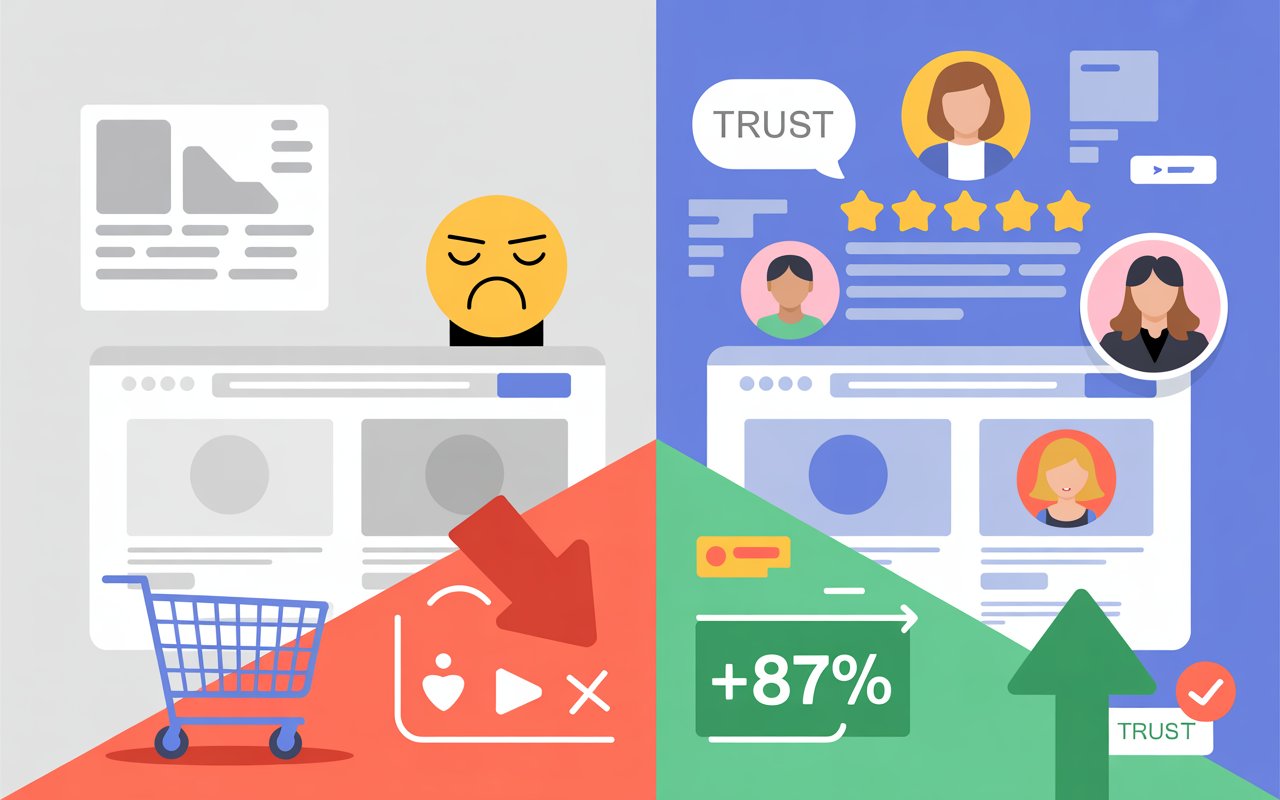
This is because the role of social proof in web design taps into our natural tendency to trust what others trust.
For Tanzanian businesses, leveraging testimonials and social proof on your website can be a game-changer, helping to build trust and boost conversions.
Understanding Social Proof
Social proof is a psychological phenomenon where people conform to the actions of others when they’re uncertain. In the context of your website, it means showcasing the positive experiences of your customers to build credibility. Think of it like displaying a “Recommended by locals” sign in your shop window – it immediately makes potential customers feel more at ease.
In Tanzania’s digital landscape, where mobile internet usage is on the rise, having a website that incorporates social proof can significantly enhance user trust. Whether you’re running a tour business in Arusha or an e-commerce site in Dar es Salaam, testimonials and reviews can be the deciding factor for potential customers.
Types of Social Proof That Work
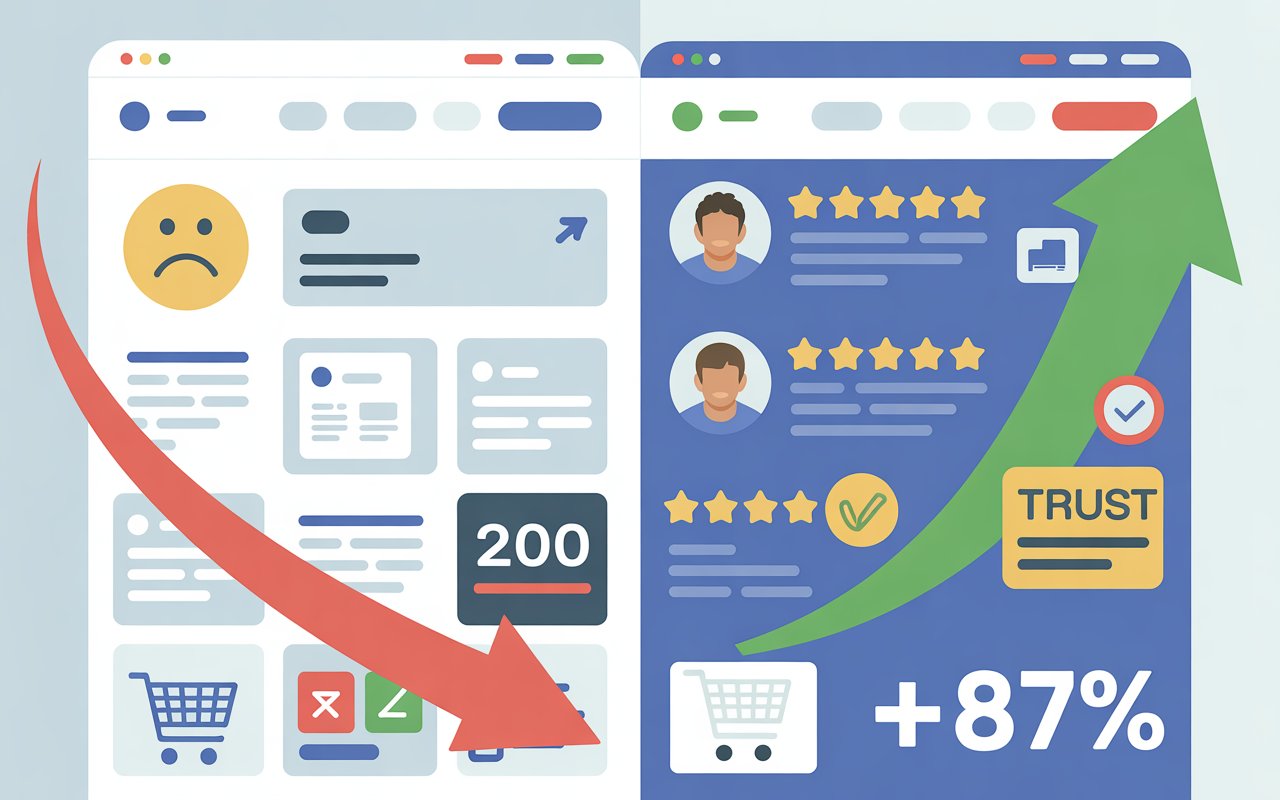
There are several types of social proof you can use on your website:
- Customer Testimonials: Real stories from satisfied customers.
- Reviews and Ratings: Star ratings and detailed reviews.
- Case Studies: In-depth analyses of how your product/service helped a customer.
- Trust Badges: Security and trust seals.
- Influencer Endorsements: Partnerships with local influencers.
For instance, a hotel in Zanzibar could showcase testimonials from happy guests, while a software company in Dar es Salaam might highlight case studies of successful implementations.
Implementing Testimonials Effectively
To get the most out of testimonials, make sure they’re:
- Authentic: Use real customer stories.
- Specific: Include details about the customer’s experience.
- Visible: Display them prominently on your homepage or product pages.
For example, a Tanzanian online store could feature a testimonial that says, “I was amazed by the fast delivery and quality of the product – highly recommended!” This not only builds trust but also gives potential customers a clear idea of what to expect.
Challenges and Solutions
One common challenge is getting customers to leave reviews. To overcome this, you could:
- Send follow-up emails after a purchase, asking for feedback.
- Offer incentives, like discounts on the next purchase.
- Make the review process as simple as possible.
Another challenge is ensuring the authenticity of testimonials. To tackle this, always verify the identity of the customer leaving the review and avoid editing the content too much, as it can come across as insincere.
Maximizing Conversions with Social Proof
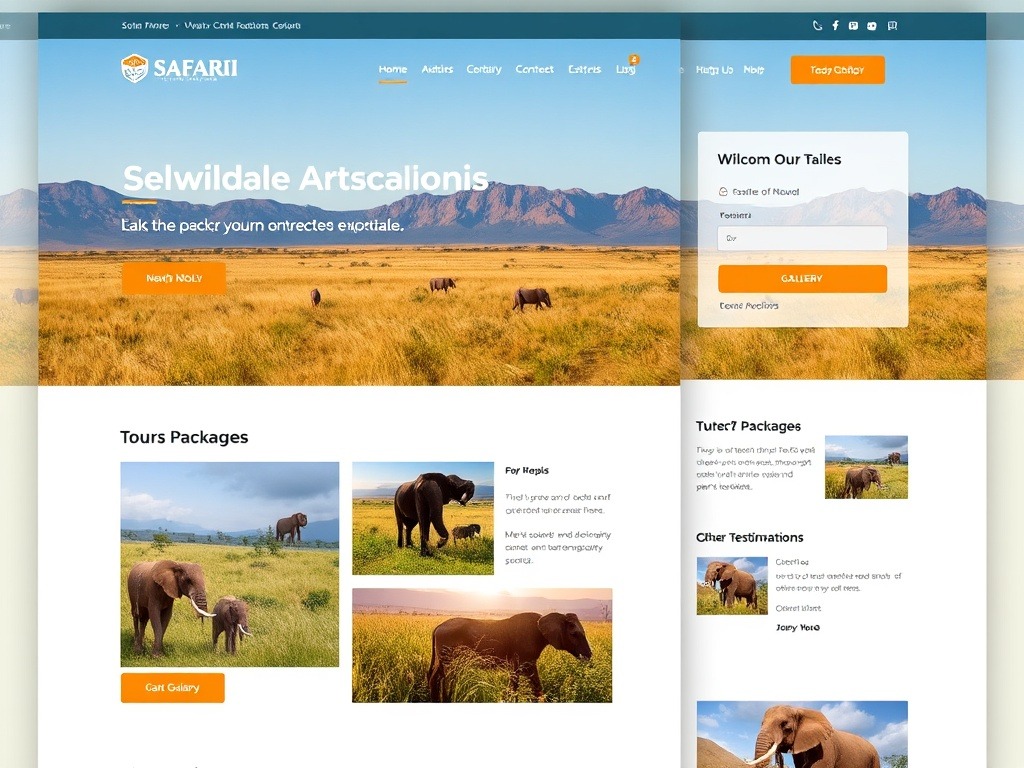
To maximize the impact of social proof, integrate it into your website’s design:
- Place testimonials near calls-to-action (CTAs) to reinforce trust.
- Use visuals like photos or videos alongside testimonials.
- Highlight any notable achievements or awards.
For Tanzanian businesses, this could mean showcasing a “Best of Tanzania” award on your homepage or featuring a video testimonial from a satisfied customer.
Conclusion
Incorporating testimonials and social proof into your website is a powerful way to build trust and boost conversions. By understanding the role of social proof in web design and implementing it effectively, Tanzanian businesses can create a more compelling online presence. Start by gathering authentic customer stories, displaying them prominently, and continually optimizing based on feedback.
Ready to take your website to the next level? Begin by collecting testimonials from your satisfied customers today and watch your conversions grow!
Frequently Asked Questions
Q: What is social proof?A: Social proof is a psychological phenomenon where people follow the actions of others when they’re uncertain. On a website, it involves showcasing customer testimonials, reviews, and other forms of endorsement.
Q: Why are testimonials important?A: Testimonials build trust and credibility, helping potential customers feel more confident in their purchasing decisions.
Q: How do I collect testimonials?A: You can collect testimonials by asking satisfied customers for feedback via email or through a review form on your website.
Q: Can I use fake testimonials?A: No, using fake testimonials can damage your credibility and trustworthiness. Always use authentic customer stories.
Q: How many testimonials should I display?A: Start with a few high-quality testimonials and gradually add more as you collect them. Quality is more important than quantity.
Q: Where should I place testimonials on my website?A: Place them prominently on your homepage, product pages, or near calls-to-action to maximize their impact.
Q: Are there other forms of social proof besides testimonials?A: Yes, other forms include reviews, ratings, case studies, trust badges, and influencer endorsements.
Q: How can I encourage customers to leave reviews?A: Send follow-up emails, offer incentives, and make the review process simple and straightforward.
Q: Can social proof work for any type of business?A: Yes, social proof can be effective for any business, whether it’s e-commerce, services, or tourism.
Q: How often should I update my testimonials?A: Regularly update your testimonials to keep the content fresh and relevant, showcasing new customer experiences.